Introduction
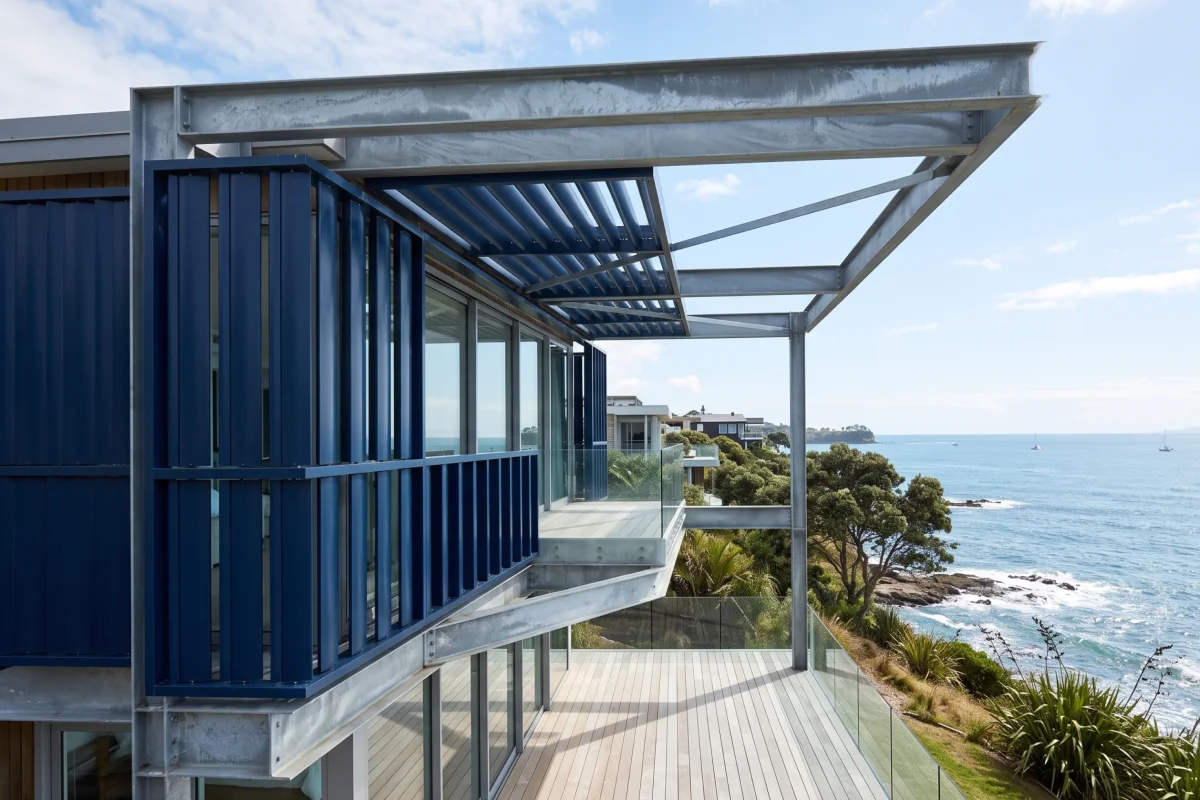
Building along New Zealand’s coastline presents distinct architectural and environmental challenges. High humidity, airborne salt spray, and persistent coastal winds quickly degrade improperly specified metals, leading to premature corrosion and structural vulnerabilities. When engineering coastal homes, commercial spaces, and multi-unit developments, structural steel and aluminium remain the two most prominent materials of choice.
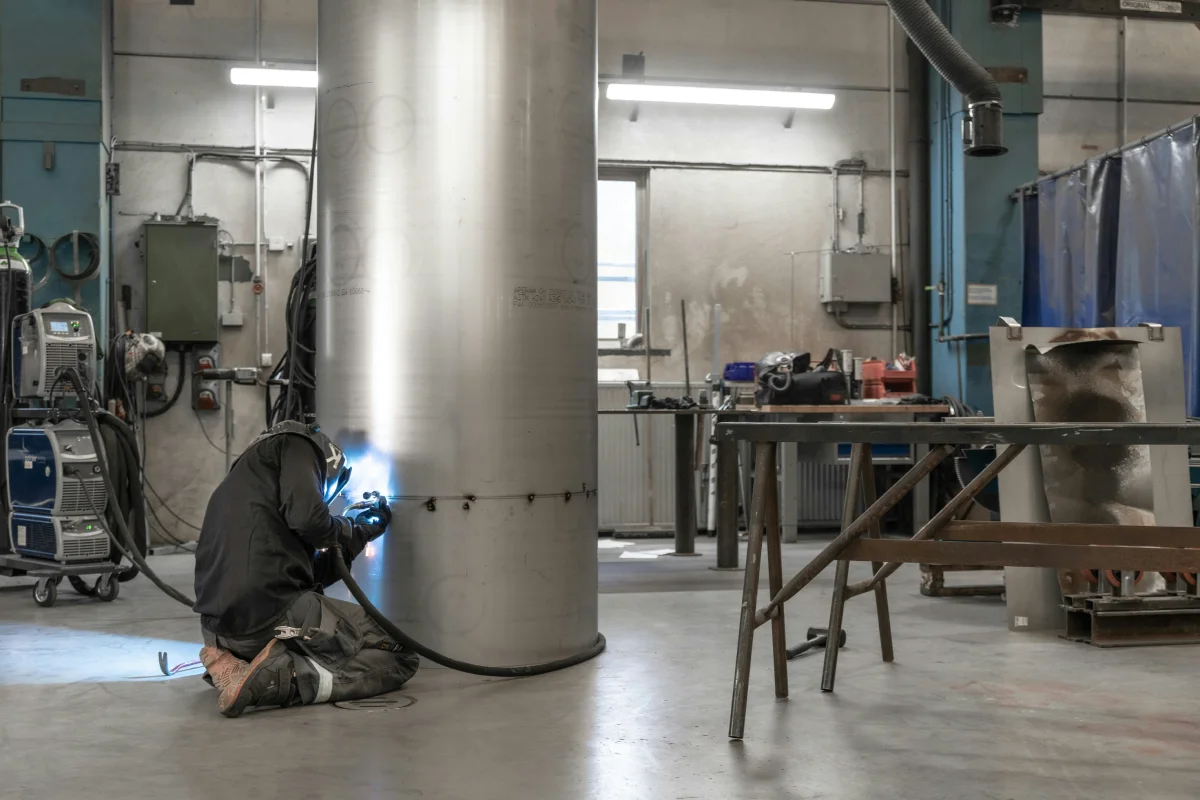
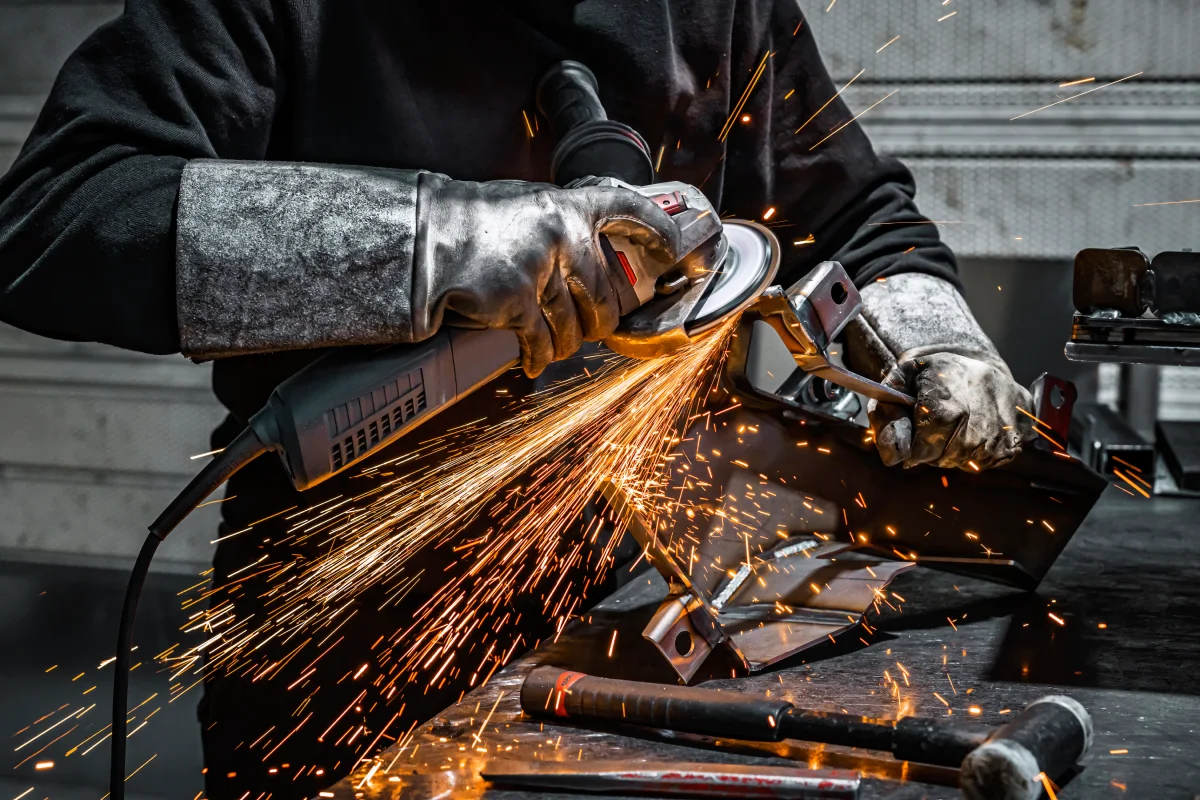
At HTR Engineering, based in Mount Roskill, Auckland, we deliver custom steel fabrication, aluminium manufacturing, and certified on-site installation across New Zealand. Evaluating the strengths, trade-offs, and typical use cases of both metals ensures your coastal project achieves enduring structural integrity and low long-term maintenance.
1. Structural Strength & Load-Bearing Capacity
- Structural Steel: For expansive open spans, multi-story buildings, heavy portal frames, and high-load foundation beams, structural steel provides superior tensile and compressive strength. Its structural density supports substantial dead and live loads without excessive deflection, making it the standard for primary framing.
- Aluminium: Aluminium weighs approximately one-third as much as steel. While high-strength extrusions (such as 6000-series alloys) handle moderate structural demands, aluminium is primarily utilized for secondary framing, cantilevered sunshades, roof trusses, pergolas, and architectural balustrades rather than primary multi-story load columns.
2. Corrosion Resistance in Salt-Air Environments
Exposure to airborne chlorides accelerates oxidation, requiring deliberate surface protection choices:
- Aluminium: Naturally develops a protective, self-healing oxide film upon atmospheric exposure, preventing progressive rust. Marine-grade alloys (such as 5052 and 5083) resist pitting and degradation in coastal microclimates, making them optimal for exterior cladding, privacy screens, and exposed coastal fittings.
- Structural Steel: Uncoated carbon steel corrodes rapidly in marine atmospheres. To ensure decade-long survival on the coast, steel requires hot-dip galvanizing, heavy-duty industrial primers, or two-pot epoxy barrier systems before site assembly.
3. Weight, Site Handling, and Installation
- Aluminium: The lightweight nature of aluminium simplifies site handling, lowers freight costs, and reduces the need for heavy lifting machinery in tight urban or cliffside coastal locations.
- Structural Steel: Because of its mass, structural steel demands synchronized rigging, crane coordination, and certified on-site handling. HTR Engineering operates certified mobile crews to execute heavy crane hoisting, precision alignment, and code-compliant site splicing.
4. Maintenance Requirements and Lifetime Cost
- Initial Expense: As a raw material, fabrication-grade aluminium generally incurs a higher upfront metal cost per kilogram than standard carbon steel.
- Ongoing Upkeep: Aluminium requires minimal recurring maintenance beyond periodic freshwater wash-downs to remove surface salt accumulation. Hot-dip galvanized and coated steel delivers high durability, but exterior coastal steel requires scheduled structural inspections to verify that barrier coatings remain intact over long exposure periods.
Can aluminium and steel be joined directly together on coastal projects?
Direct contact between steel and aluminium in a salty environment induces galvanic corrosion. When integrating both materials, our fabricators use non-conductive neoprene isolation pads, nylon washers, and stainless fasteners to isolate the dissimilar metals.
What is the most durable finish for coastal aluminium?
Architectural-grade powder coating applied over pre-treated aluminium or high-micron marine anodizing provides optimal protection against UV degradation and coastal salt build-up.