Introduction
When planning a commercial development, warehouse extension, or custom residential build, choosing the right structural steel fabricator is one of the most critical decisions you will make. Structural steel forms the backbone of your building, meaning precision, certified welding, and strict compliance with New Zealand standards directly impact the safety, timeline, and budget of your project.
At HTR Engineering, based in Mount Roskill, we work closely with builders, project managers, and engineers across Auckland to turn architectural blueprints into durable, code-compliant steel structures. Here is a comprehensive guide on what factors you must look for when hiring a professional steel fabricator.
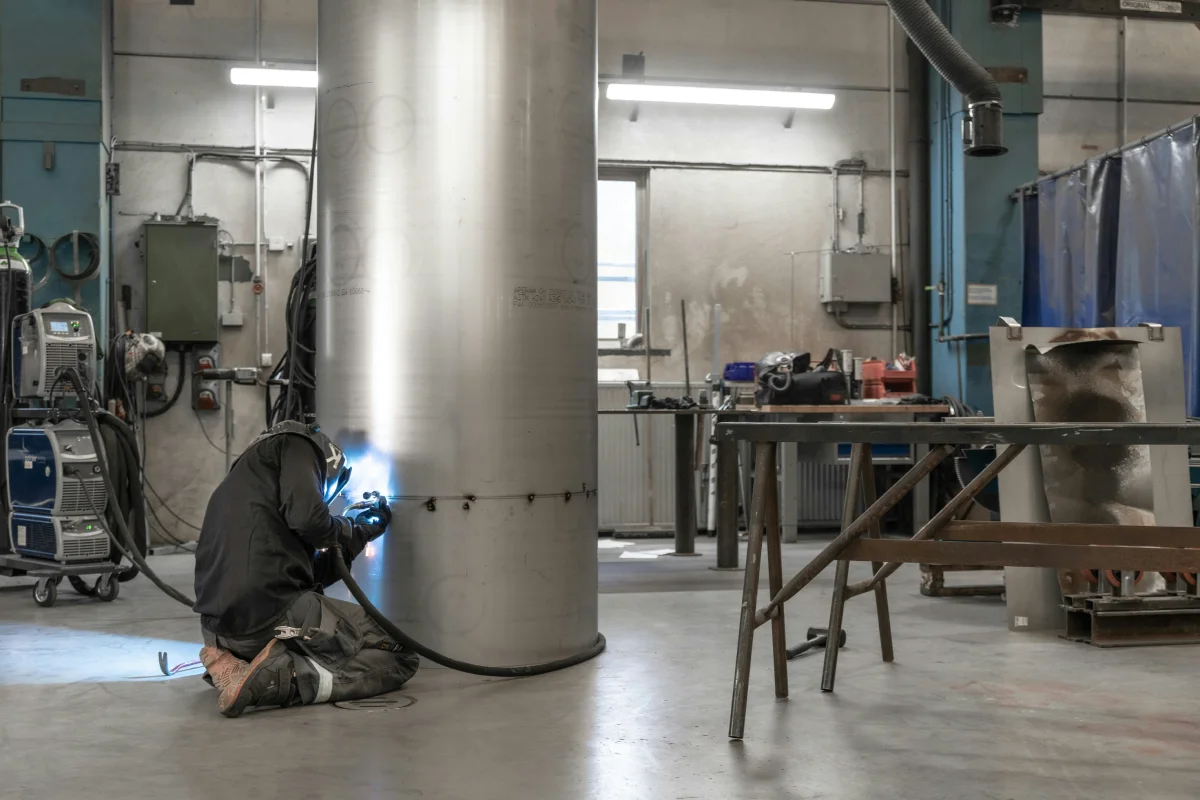
Check for Certified Welders & NZ Standards
Structural steel requires absolute precision to handle seismic and load-bearing stress. Always verify that your fabrication partner complies with New Zealand and Australian standards (such as AS/NZS 1554 and AS/NZS 2980).
A certified fabricator guarantees:
- Deep weld penetration: Eliminates defects, weak joints, and structural cracking.
- Quality traceability: Documented heat control, consumable tracking, and full material test certificates.
- Proper workshop QA/QC: Complete checks before components leave the workshop floor.
Look for Turnkey Service (Fabrication to On-Site Installation)
A major challenge in construction is misalignment between the workshop that cuts the steel and the site crew tasked with installing it. Choosing a company that provides full-scope service eliminates this friction entirely.
A turnkey fabrication partner handles:
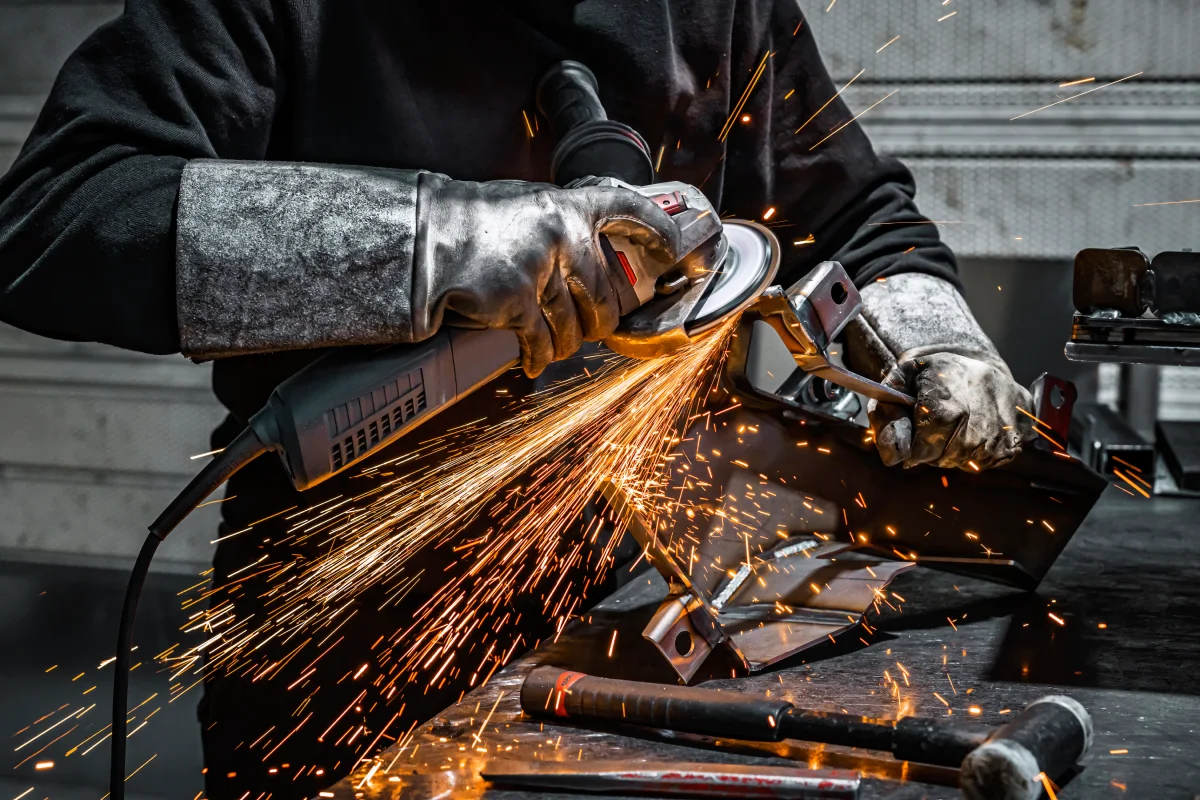
- Accurate Blueprint Processing: Precision cutting, drilling, and hole-pitching according to architectural drawings.
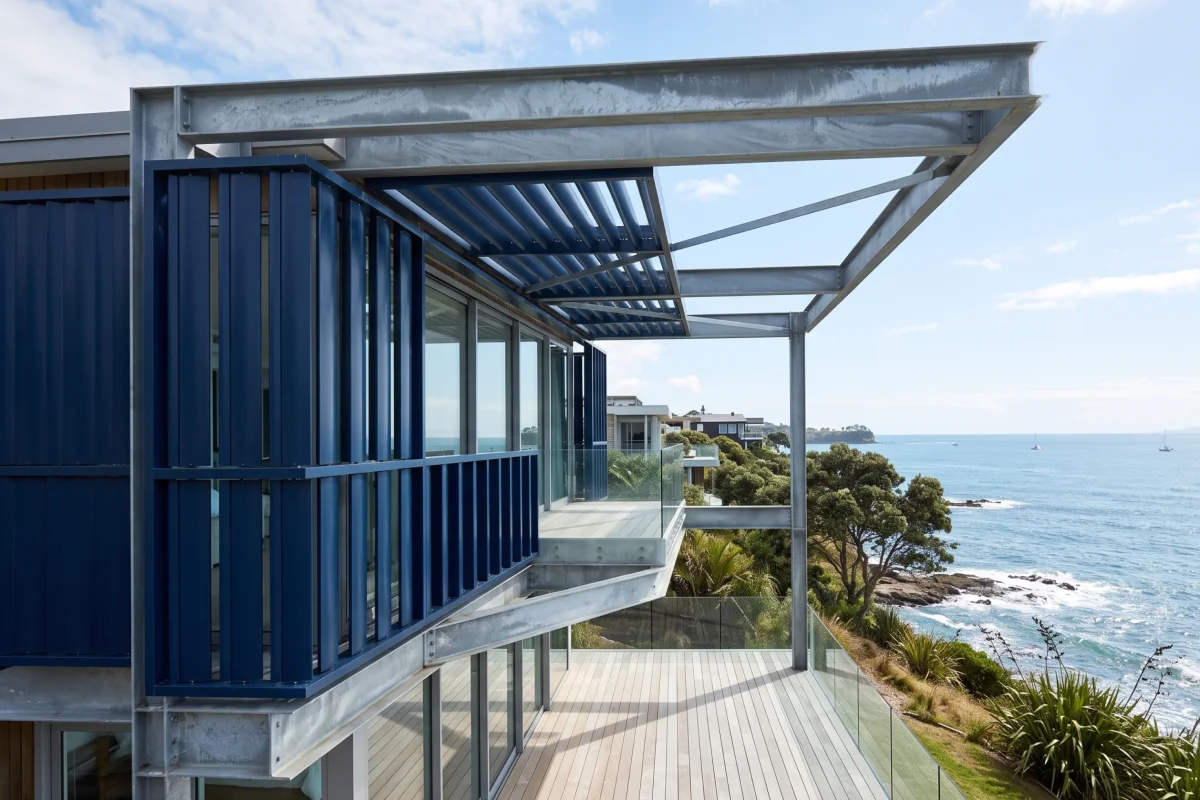
- Shop Assembly & Surface Coating: Industrial primer, powder coating, or hot-dip galvanizing for coastal durability.
- On-Site Erection & Rigging: Safe mobile crane coordination, structural bolting, and site splicing without delaying other trades.
Mobile On-Site Welding & Problem-Solving Capabilities
No construction site is 100% predictable. Discrepancies between foundation anchors and fabricated steel can halt your build if the fabricator only operates inside a workshop.
Ensure your contractor operates fully equipped mobile welding units capable of carrying out field adjustments, torch cutting, magnetic-base drilling, and urgent beam splicing right on site. This keeps project timelines intact and avoids costly crane standing charges.