Introduction
In manufacturing plants, chemical processing facilities, food production lines, and commercial buildings, piping networks act as the critical circulatory system of the entire operation. These pipelines routinely transport steam, volatile chemicals, hazardous gases, compressed air, and chilled fluids under intense operating pressures. When dealing with high-stress systems, standard or non-certified welding presents severe hazards—ranging from catastrophic structural failures and toxic leaks to unscheduled shutdowns costing tens of thousands of dollars in lost production.
Based in Mount Roskill, Auckland, HTR Engineering provides certified, code-compliant pipe welding and pipeline fabrication designed to withstand heavy industrial demands. Here is a comprehensive overview of why hiring certified pipe welders is vital for your industrial facility.
1. Withstanding High Mechanical, Thermal, and Hydraulic Stress
Industrial pipelines experience continuous vibration, dynamic fluid pressures, and cyclic thermal expansion. If a weld lacks full root penetration or contains microscopic inclusions, stress concentrates directly along the joint boundary, eventually causing fatigue cracks and sudden bursts.
Certified pipe welders calculate exact heat inputs and employ multi-pass procedures (root pass, hot pass, fill, and cap) to produce a metallurgical bond as strong as the parent pipe itself. This ensures that every joint safely contains dynamic loads and pressure spikes without integrity loss.
2. Preventing Hazardous Leaks and Internal Corrosion
Leakage in a process line is not merely an operational inconvenience; it poses grave safety hazards, environmental contamination risks, and product spoilage.
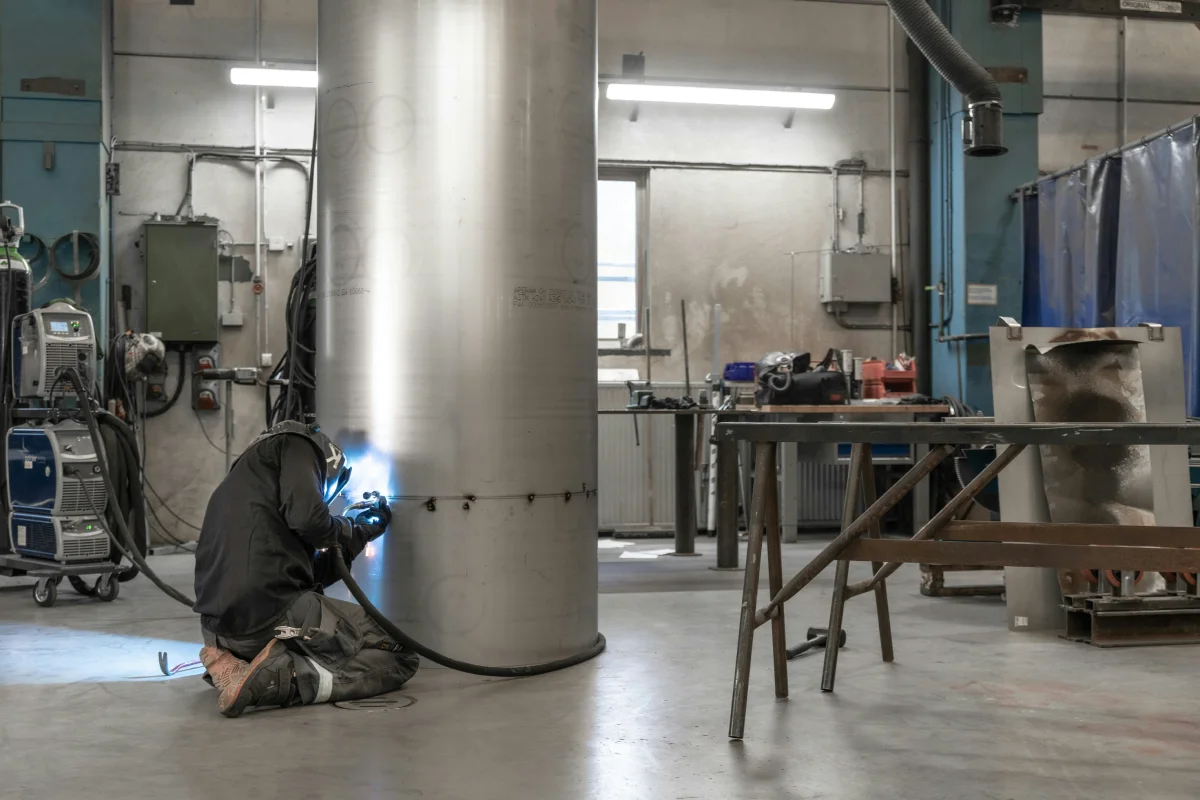
When joining stainless steel, duplex, or alloy piping, uncertified welding often introduces “sugaring” (severe internal oxidation) due to inadequate atmospheric shielding. Certified professionals implement dedicated back-purging setups using inert argon gas. This maintains an ultra-smooth internal weld bead, preventing corrosive chemical build-up, eliminating bacterial harborage zones in food-grade lines, and stopping crevice corrosion before it begins.
3. Strict Compliance with New Zealand Engineering Standards (AS/NZS Codes)
Operating an industrial facility in New Zealand requires adherence to strict health, safety, and building regulations. Pressure equipment and structural pipe systems must conform to recognized standards such as AS/NZS 2980, AS/NZS 1554, and AS/NZS 3992.
Engaging certified welders guarantees:
- Traceable Documentation: Detailed Weld Procedure Specifications (WPS) and Procedure Qualification Records (PQR).
- Non-Destructive Examination (NDE): Welds ready to pass radiographic, ultrasonic, or hydrostatic pressure testing.
- Insurance & Legal Protection: Full compliance verification for regulatory bodies and facility insurance requirements.
4. Minimizing Downtime with Workshop Spooling and Shutdown Support
Unplanned downtime can halt processing operations entirely. Certified engineering contractors help mitigate this risk through strategic planning and efficient field execution:
- Pre-Fabricated Pipe Spools: Fabricating flanged spools and complex pipe manifolds inside our controlled workshop environment accelerates job site assembly and reduces hot-work permits in live operating facilities.
- Scheduled Shutdown Maintenance: Experienced mobile teams deploy rapidly during scheduled shutdown windows to replace degraded lines, execute tie-ins, and inspect critical connections with minimal operational disruption.
What is the main difference between certified and general pipe welding?
Which piping materials can HTR Engineering weld?
Can your team perform pipe repairs inside an operational plant?
Yes. Our mobile crews operate under strict Job Safety Analyses (JSA) and hot-work permits to execute safe field repairs, tie-ins, and planned shutdown maintenance across Auckland facilities.